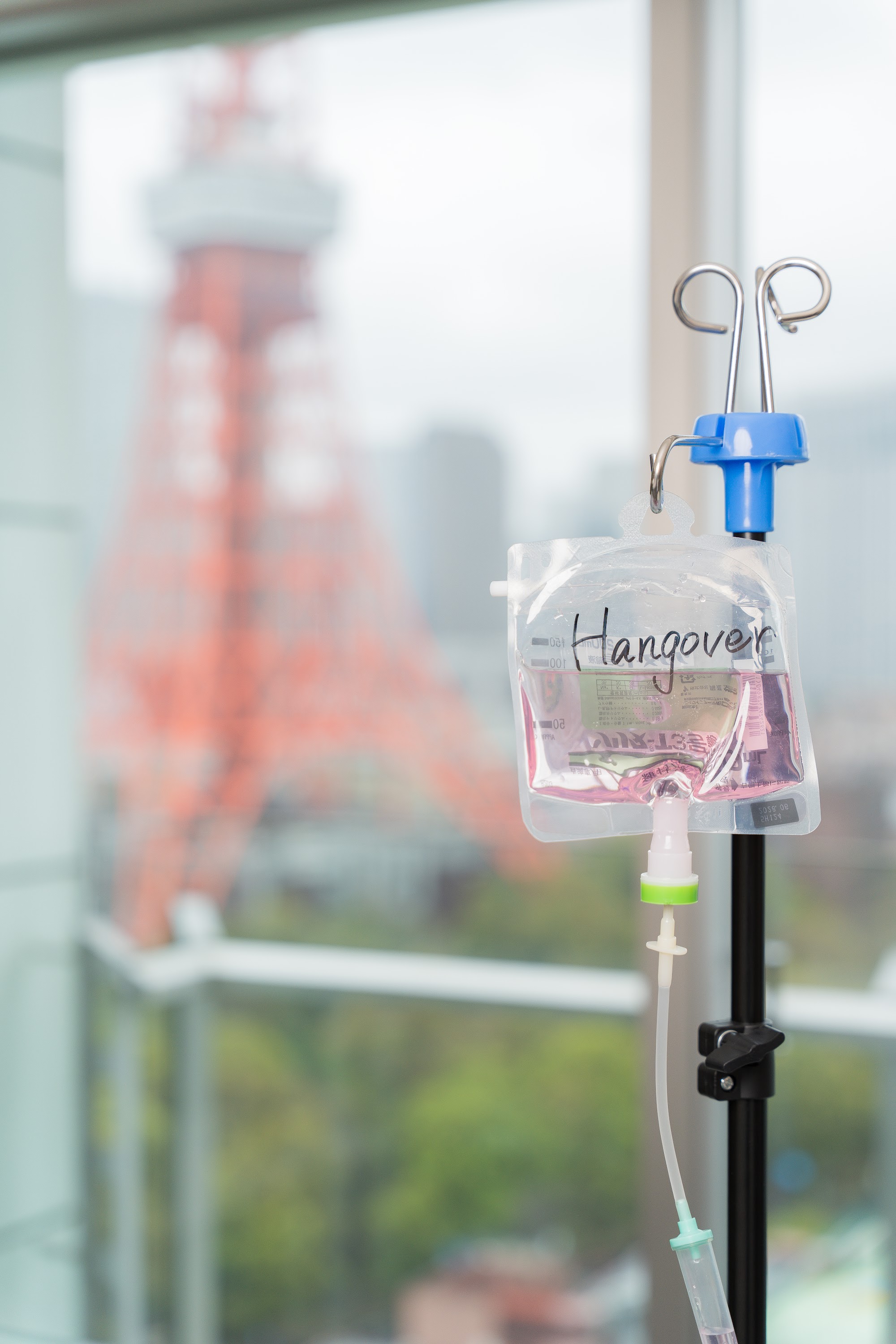
IV therapy for hangover is one of the most common wellness search phrases in this space because people usually want the same thing: to feel less miserable, rehydrate, and get functional again. That interest makes sense, but the topic needs a calmer and more accurate explanation than most hangover marketing gives it.
At Pitonne, the better framing is that IV therapy for hangover may help support hydration and comfort in selected situations after clinician screening. It is not a cure for heavy drinking, it does not erase the effects of alcohol instantly, and it should never be used to gloss over symptoms that may actually point to alcohol poisoning or another urgent issue.
What People Usually Mean by "IV Therapy for Hangover"
Most people searching this phrase are dealing with a mix of dehydration, headache, nausea, fatigue, and that washed-out feeling that can follow a night of drinking. They are usually not asking for a complex medical intervention. They are asking whether hydration support may help them recover more comfortably.
That is a fair question, but the answer depends on what is actually happening. A mild to moderate hangover is very different from repeated vomiting, severe confusion, trouble staying awake, or breathing problems. The first may fit a wellness support conversation. The second needs urgent care, not a wellness appointment.
It also helps to be honest about what recovery from alcohol looks like. Time still matters. Rest still matters. Food, fluids, and sleep still matter. IV therapy may be one part of a recovery plan in the right case, but it does not replace the basics and it should not be presented as a "reset button."
When IV Therapy May Be Considered
IV therapy may be considered when a person is stable, alert, and mainly dealing with the common after-effects of drinking: dehydration, low energy, nausea, and general discomfort. The reason people explore it is usually straightforward. Drinking enough water afterward can feel slow or unpleasant when your stomach is unsettled and your whole day feels off.
In that kind of situation, clinician-guided hydration support may be reasonable. The main word there is guided. A responsible hangover IV visit starts with screening, not assumptions. The clinician needs to understand how much was consumed, how the person feels now, what symptoms are present, and whether anything about the case suggests something more serious than a routine hangover.
That screening protects the patient and also keeps expectations realistic. A hangover drip may help someone feel more supported while they recover. It should not be sold as a promise that all symptoms will disappear immediately.
What IV Therapy Can and Cannot Do
IV therapy can help support hydration and may make recovery feel more manageable for some people. If someone mainly needs fluids and supervised recovery time, that may be useful.
What it cannot do is make alcohol-related risks disappear. It does not make it safe to drink heavily. It does not treat alcohol poisoning. It does not undo poor sleep, poor judgment, or the full physiologic effects of a night of excess alcohol use. It should also never be framed as a way to "keep partying" or to normalize risky drinking patterns.
That is why the right article structure matters here. Good content should be helpful without encouraging behavior that creates a bigger problem later.
What a Visit May Include
A thoughtful hangover-focused visit should begin with questions about symptoms, timing, alcohol intake, medications, past medical issues, and whether the person can keep down fluids. The goal is to determine whether a wellness recovery visit is appropriate or whether the person needs a different level of care.
If IV therapy is appropriate, the visit may include hydration support, time to rest, and symptom-focused guidance from the care team. The session should feel measured and safe. It should also end with practical advice about rest, oral hydration, eating lightly if tolerated, and when to seek medical help if symptoms do not improve.
If the clinician believes the person needs urgent care instead, that is a sign the screening is working the way it should.
When to Talk With a Clinician First
- You are vomiting repeatedly or cannot keep fluids down.
- You have a chronic medical condition, are pregnant, or are taking medications that change safety considerations.
- Your symptoms feel much worse than a typical hangover or keep happening frequently.
- You may actually need evaluation for heavy alcohol use or another underlying health issue.
When Symptoms Need More Than Wellness Support
Some situations should never be treated like an ordinary hangover. If someone is hard to wake up, confused, having trouble breathing, seizing, turning blue, passing out, or looking significantly impaired long after drinking stopped, emergency care should come first. The same applies if chest pain, severe dehydration, or serious injury is involved.
Those red flags are not wellness territory. They need urgent medical attention right away.
Frequently Asked Questions
Can IV therapy help with nausea and dehydration after drinking?
It may help support hydration and comfort in the right situation, especially when a clinician believes the symptoms are consistent with a stable hangover recovery case. It is still not a cure, and the person still needs time and recovery basics.
Can a hangover IV replace food, water, and rest?
No. Even when IV therapy is appropriate, rest, oral fluids as tolerated, and lighter recovery habits still matter. A drip is a support option, not a replacement for normal recovery.
When is a hangover actually an emergency?
If someone is confused, difficult to wake, having trouble breathing, vomiting repeatedly, seizing, or showing signs of alcohol poisoning, that needs emergency care instead of a wellness appointment.
Related Pitonne Services
Contact Pitonne
Contact Pitonne to discuss clinician-guided wellness options and whether a service is appropriate for your goals.
Contact UsFinal Takeaway
IV therapy for hangover may be a reasonable support option when the main issue is hydration and the person is otherwise stable after screening. The important part is using it responsibly and not confusing wellness support with emergency care. If you want to ask whether a Hangover IV Drip visit is appropriate, contact Pitonne for clinician-guided next steps.